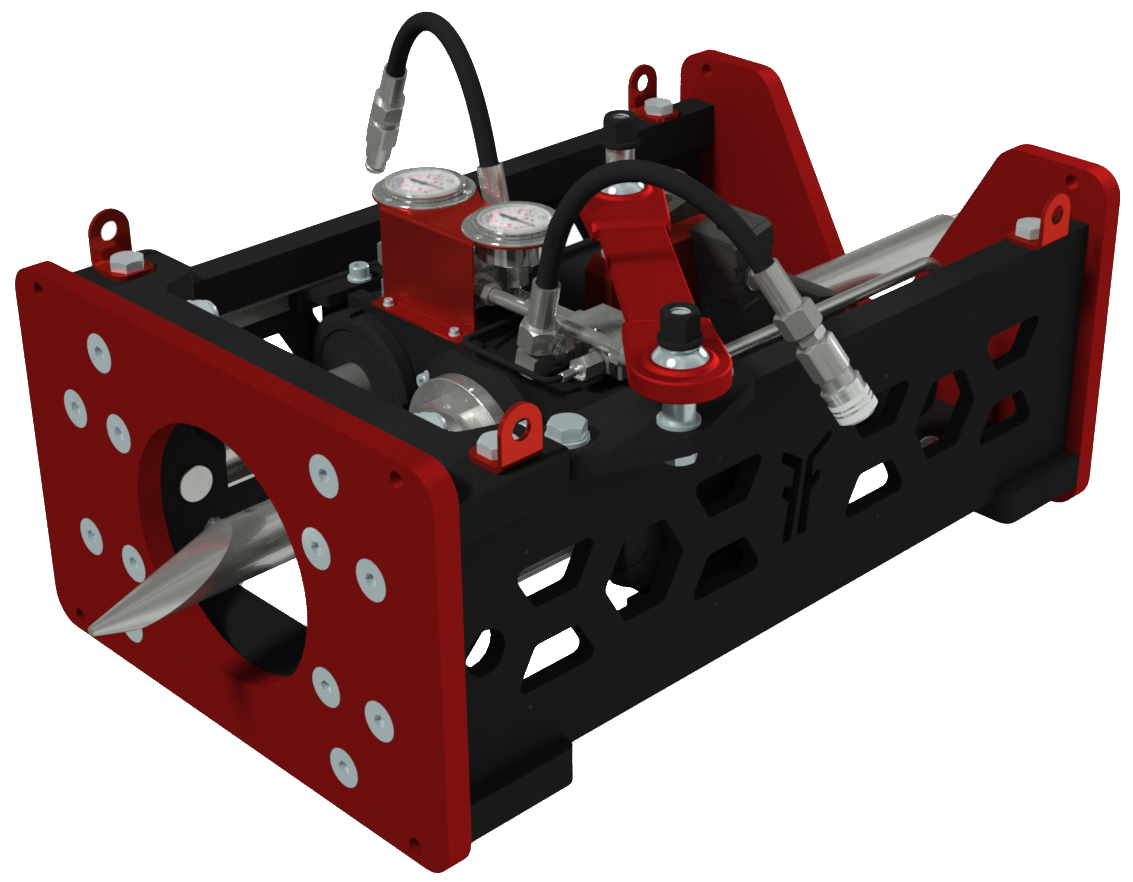
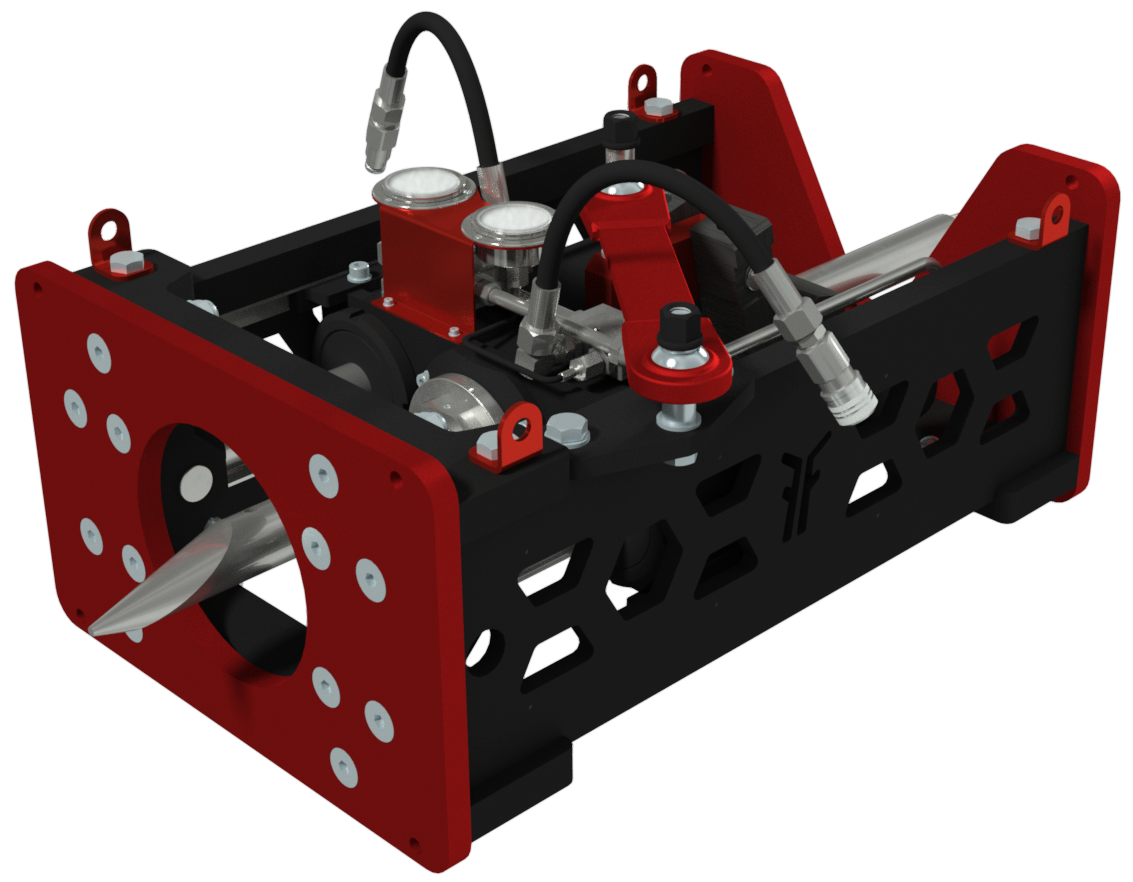
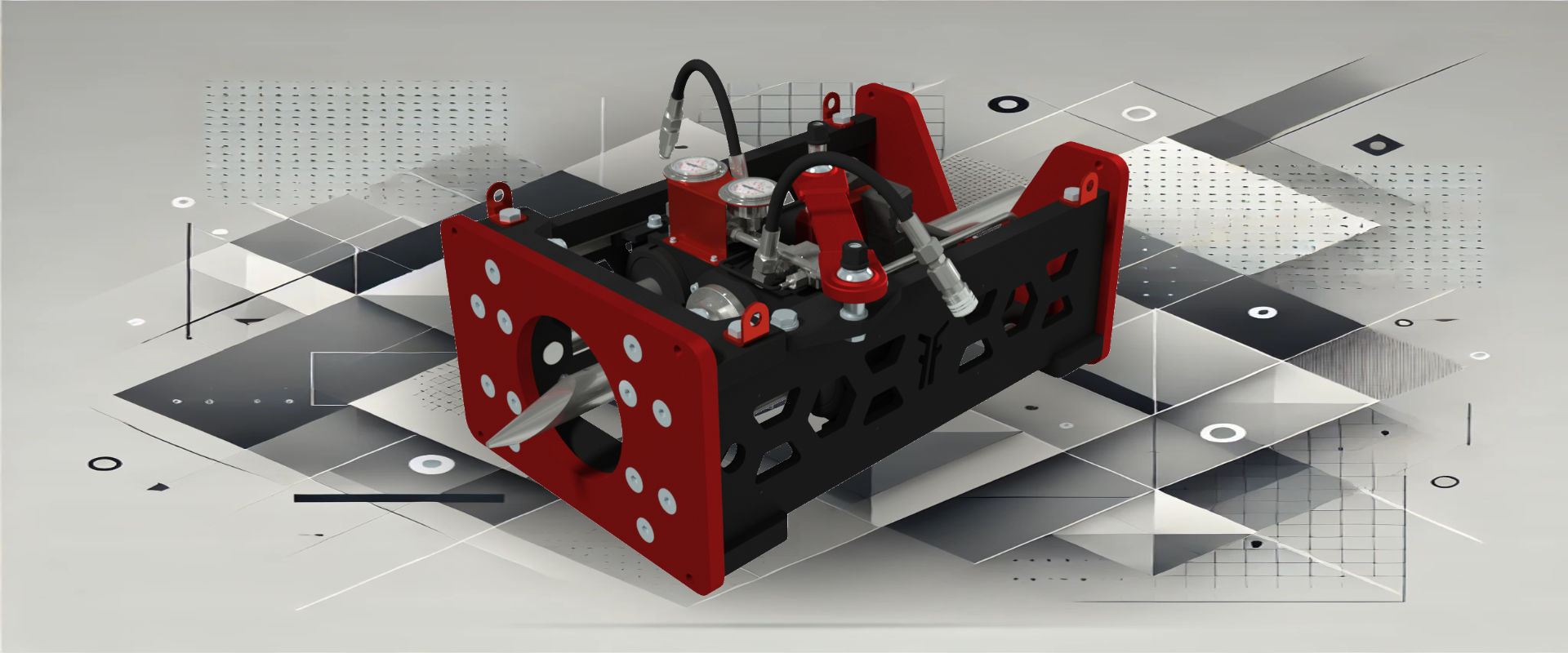
ALUSTEER flushless controlled jacking machine
Get to know ALUSTEER
CONTROLLED JACKING MACHINE
70m
Jacking length
ϕ 30-250
Hole diameter
remote control
32 tons
strength
flushless
aluminum construction
ALUSTEER system components
ALUSTEER
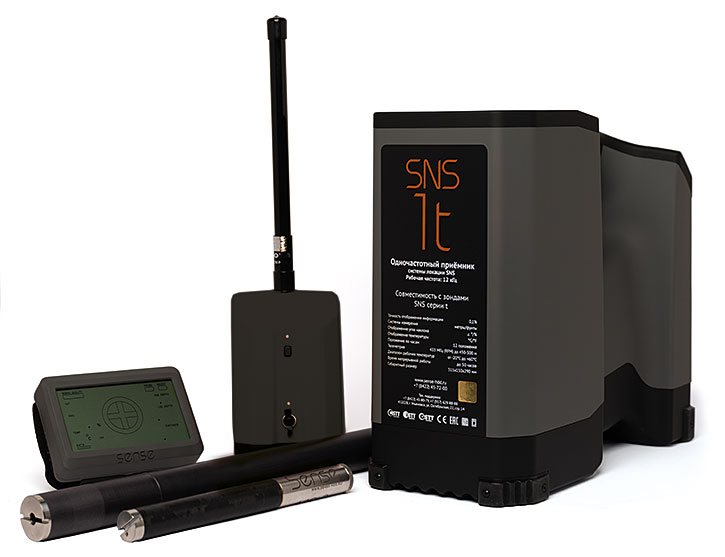
Navigation
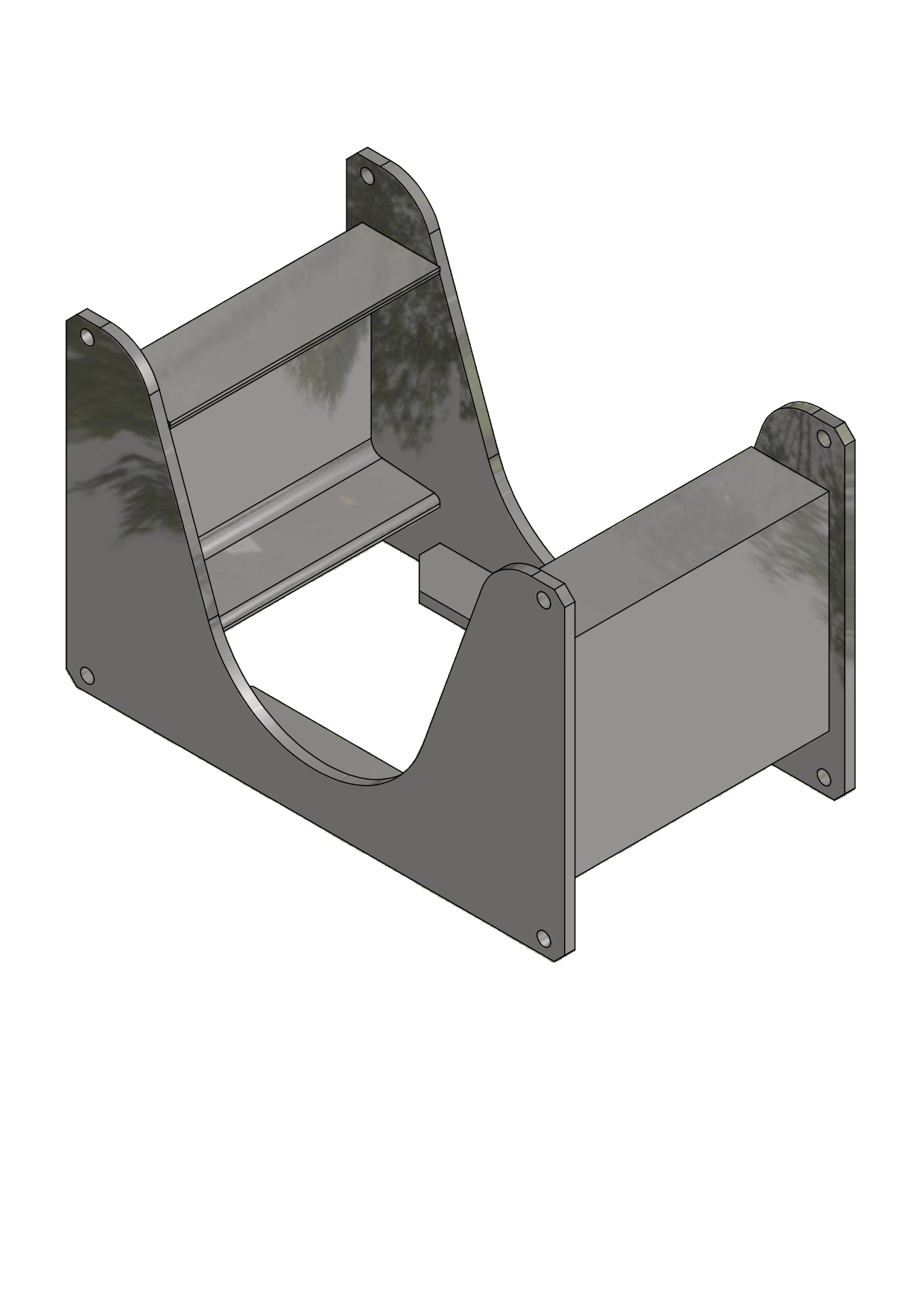
Armed Aluster
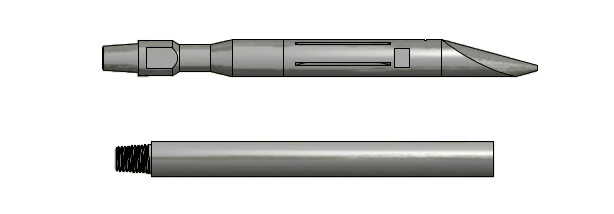
Pilot and Derrick
Resistance module - extension
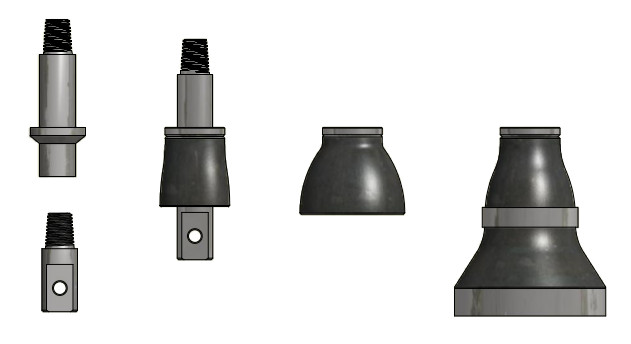
Extensions and accessories
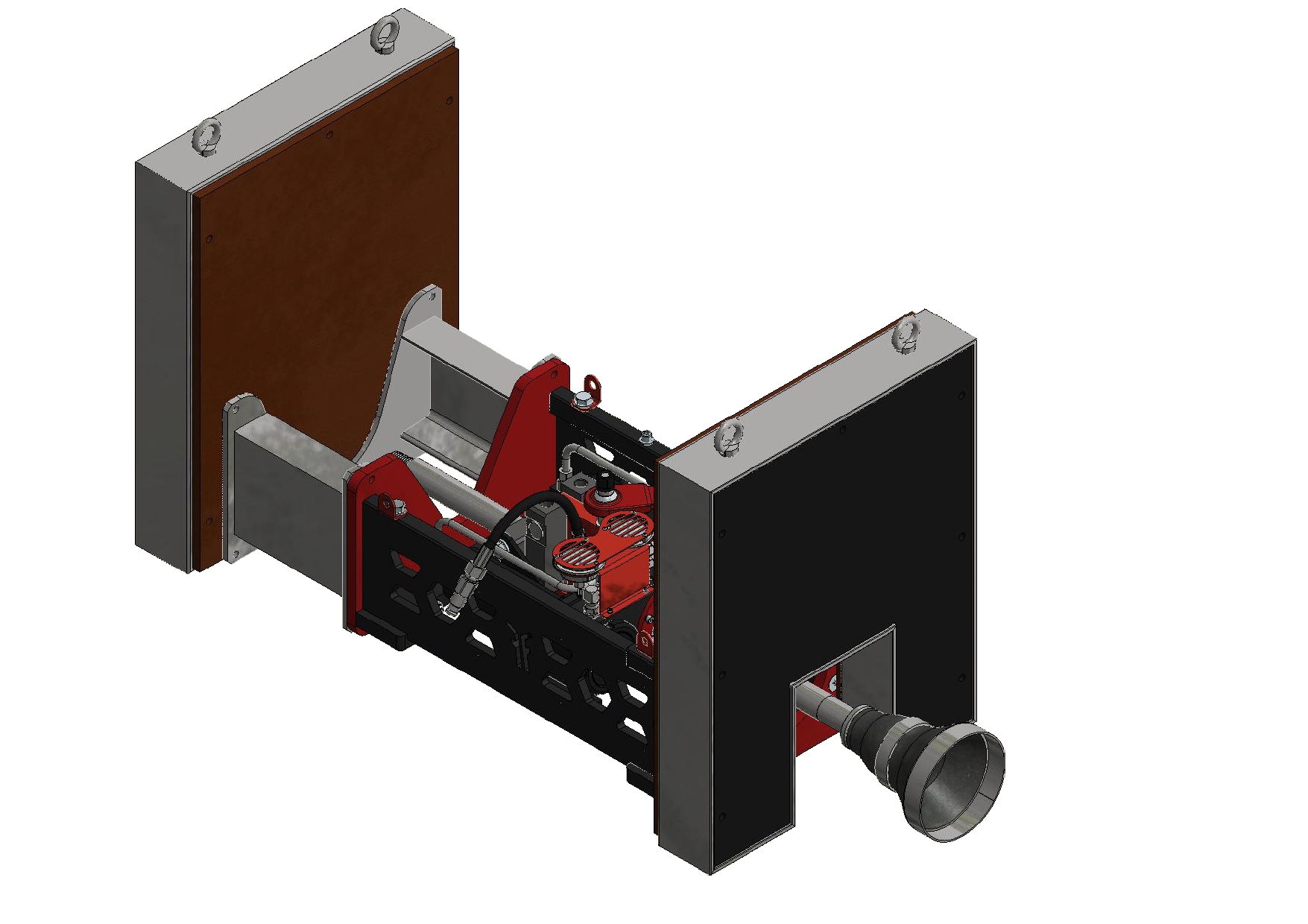
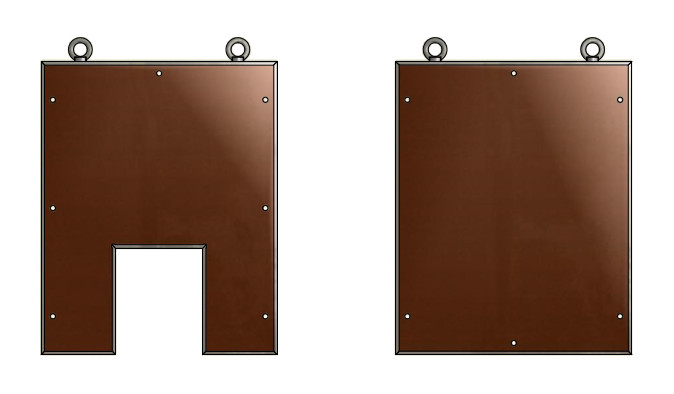
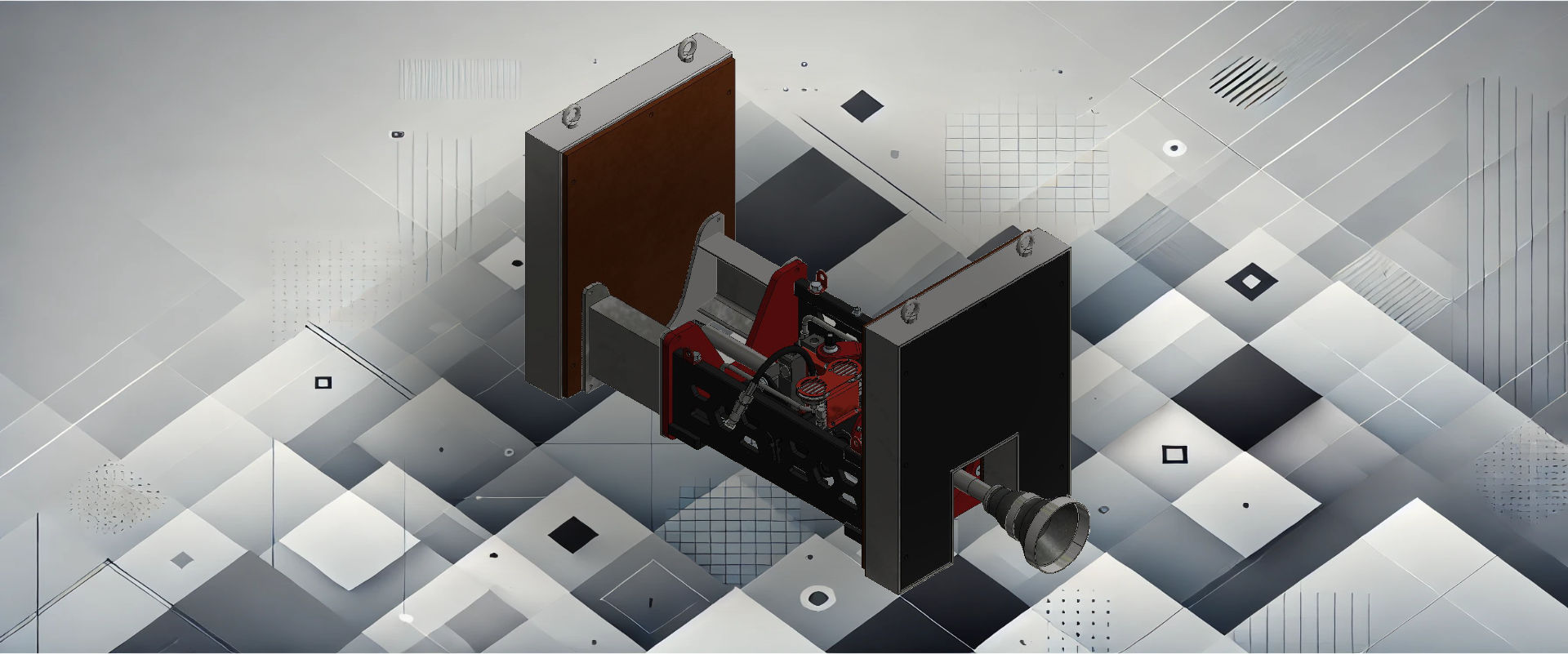
Expansion walls
Technical Specifications
Specification of guided jacking
ALUSTEER guided drilling
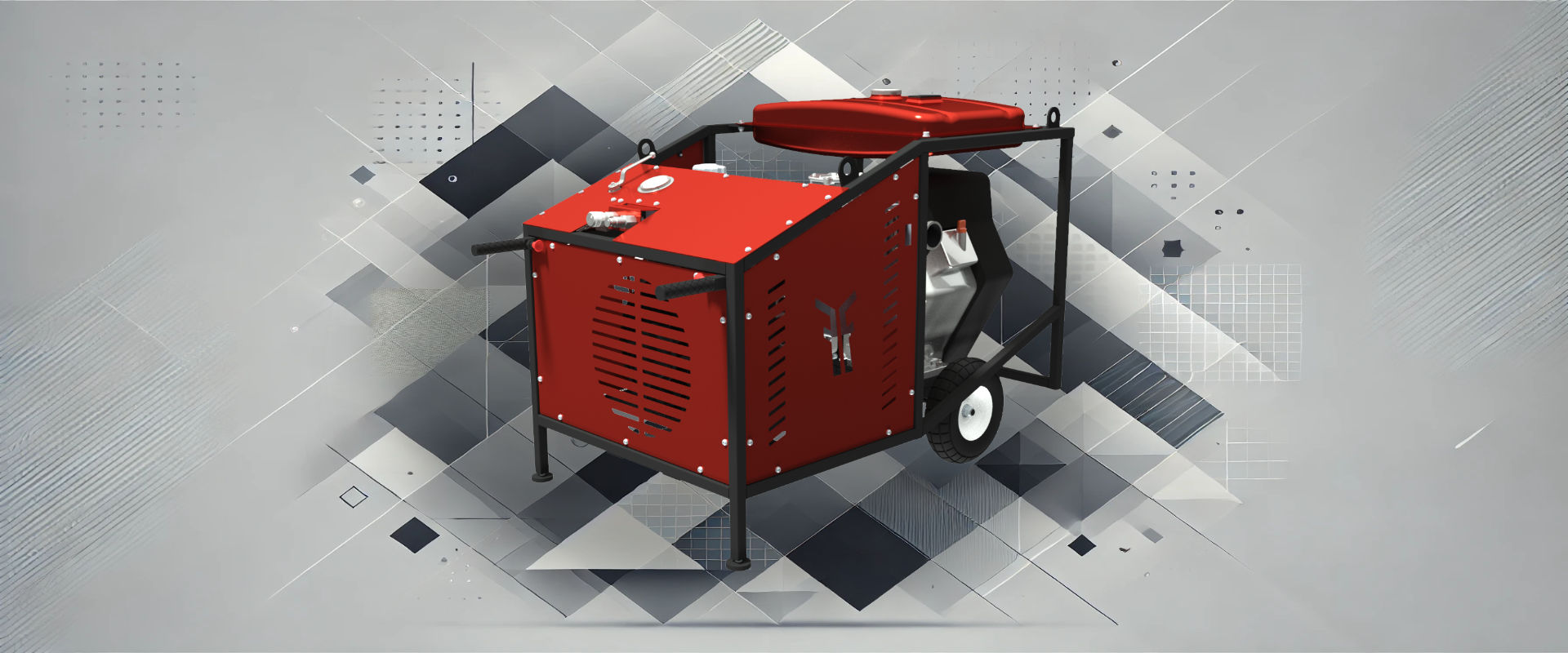
Hydraulic unit
HAS 300-20
We are from Gdańsk
100% Polish manufacturer
Manufacturer's warranty
Fast and safe transport
Training 0 EUR

ALUSTEER controlled jacking without flushing – a modern jacking machine
What is controlled jacking?
Controlled jacking is a trenchless technology that allows underground installations—such as water pipes, sewage pipes, power cables, electrical cables, telecommunications cables, fiber optic cables, water pipes, and sewage pipes—to be laid without the need for extensive excavation. The jacking machine is hydraulically driven and equipped with a pilot head that can be used to correct the path of the jacking.
Thanks to measuring systems, the operator controls the depth and direction of the jacking, which allows for high precision, even with passages several dozen meters long, in situations where accuracy and precise avoidance of obstacles in the terrain are important in order not to damage the existing infrastructure and to safely bypass it.
This solution is particularly valued in places where earthworks are difficult or impossible, e.g., under roads, lawns, tram tracks, parking lots, sidewalks, or urban areas.
Why use controlled pipe jacking?
Controlled pipe jacking is an alternative to traditional excavation, eliminating the need to dig up the surface. This method significantly reduces the time needed to complete the project, lowers the cost of restoring the site to its original condition, and minimizes the impact on traffic and the environment.
The most important advantages of controlled pipe jacking technology:
- no need to interfere with above-ground infrastructure,
- the ability to work under obstacles (e.g., roads, sidewalks, lawns, property entrances, railroad tracks),
- reduction of noise,
- vibrations, and environmental pollution,
high route accuracy, - quick mobilization of equipment and short completion time,
- lower risk of collision with existing installations.
- no need to use bentonite slurry,
- no spoil during jacking
Thanks to these features, controlled jacking is commonly used in the construction of municipal networks, water and sewage connections, gas, fiber optic and cable connections.
Application of controlled jacking
Controlled jacking is ideal wherever installation is required without disrupting the surrounding area.
The most common applications for jacking machines are:
- crossings under roads and streets with heavy traffic,
- jacking under railway and tram tracks,
- crossings under watercourses and canals,
- nstallations under sidewalks, parking lots, squares, and industrial areas,
- connections to properties without digging up the entire area.
- With the ALUSTEER product, no drilling mud (bentonite) is used, which significantly reduces implementation costs and environmental impact.
This technology can be used both in cities and in non-urban areas – wherever precision, speed, and reduced impact are important.
Accuracy and direction control
Modern jacking machines use sensors that enable continuous monitoring of the head position. The operator tracks the parameters on the receiver and operator tablet and reacts in case of deviations from the planned route.
Such solutions ensure:
- high precision of the breakthrough,
safety for the existing infrastructure,
repeatability and predictability of results.
In practice, deviations from the jacking axis are usually no more than a few centimeters, which is fully acceptable in most projects.
However, if the situation requires it, it is possible to bend the rod up to several meters over a distance of several dozen meters.
Controlled jacking technology is a modern, precise, and environmentally friendly solution for projects requiring underground installations without disturbing the surface.
It allows for quick and safe work in urban, industrial, and field conditions, with minimal impact on the environment and no vibrations or tremors.
Thanks to the development of control technology and the use of advanced jacking heads, the trenchless method is becoming one of the key standards in modern infrastructure construction.